
Food Trailer Guide: Build, Buy & Launch in the US
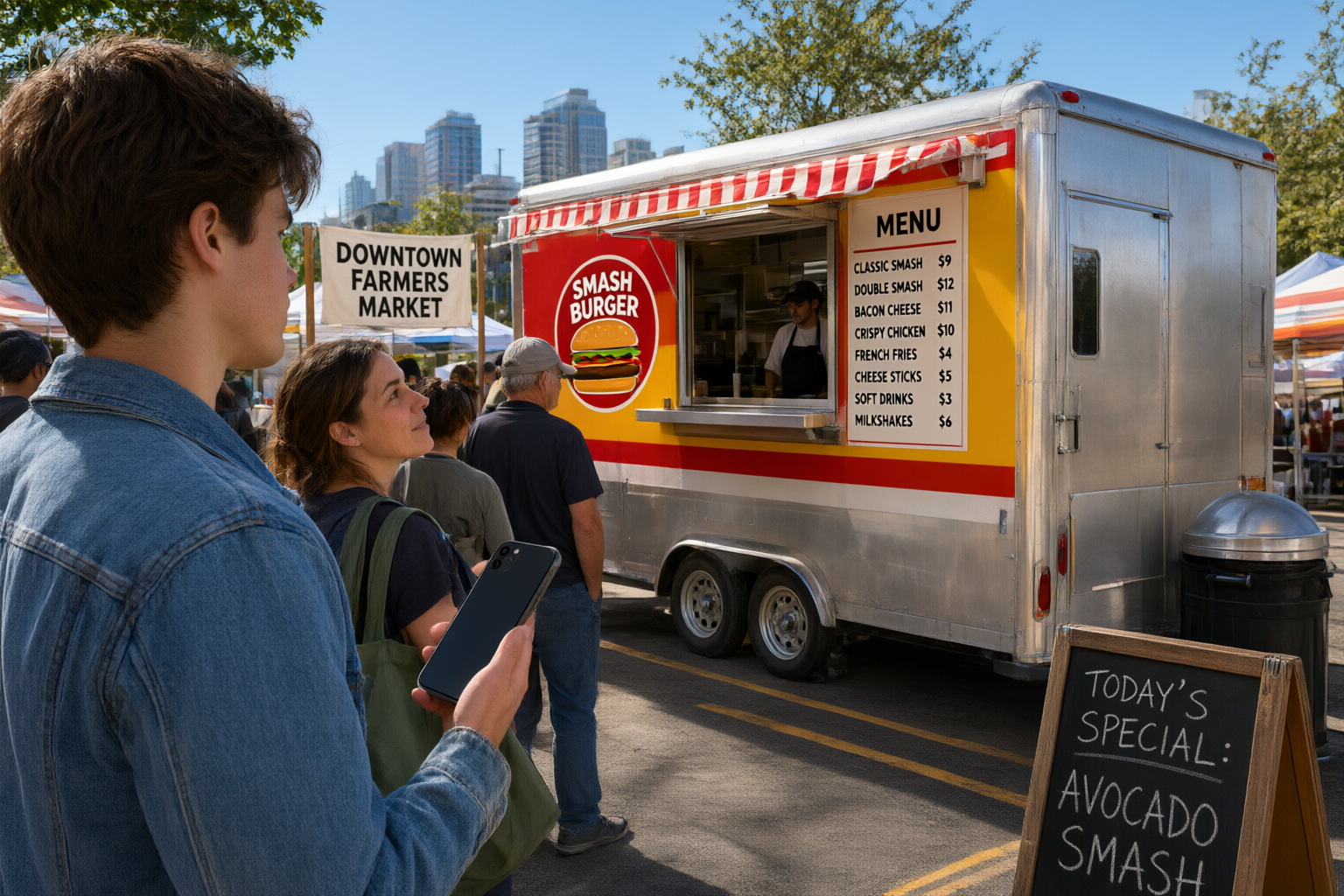
If you’ve ever watched a line form at a smash burger trailer on a sunny Saturday afternoon—or dreamed of serving tacos from a custom-built rig—you’re not alone. The U.S. food trailer industry is growing steadily, with operators valuing mobility, lower startup costs, and faster time-to-revenue than brick-and-mortar restaurants. But launching successfully isn’t about just parking a trailer and flipping burgers. It’s about aligning your concept, equipment, local regulations, and daily workflow into one functional system.
This guide distills what actually works for independent food trailer operators across the U.S. It’s based on verified equipment specifications, common permitting pathways, and real layout patterns observed in high-performing mobile kitchens—including smash burger trailers shown in operational settings. No speculation. No vendor hype. Just actionable clarity for founders, chefs, and small teams ready to launch.
Table of Contents
- What Is a Food Trailer—And How Does It Differ From Other Mobile Units?
- Legal & Licensing Essentials by State (Not Just Health Dept)
- Buy vs. Build: Which Path Fits Your Budget and Timeline?
- Smart Layout Design: Where Equipment Actually Fits—and Works
- Core Equipment Breakdown: BTUs, Capacities, and Real-World Fit
- Power, Gas, and Plumbing: What Your Site Must Support
- Launch Readiness Checklist: 12 Things to Verify Before Day One
- FAQs: Permits, Insurance, Maintenance, and More
What Is a Food Trailer—And How Does It Differ From Other Mobile Units?
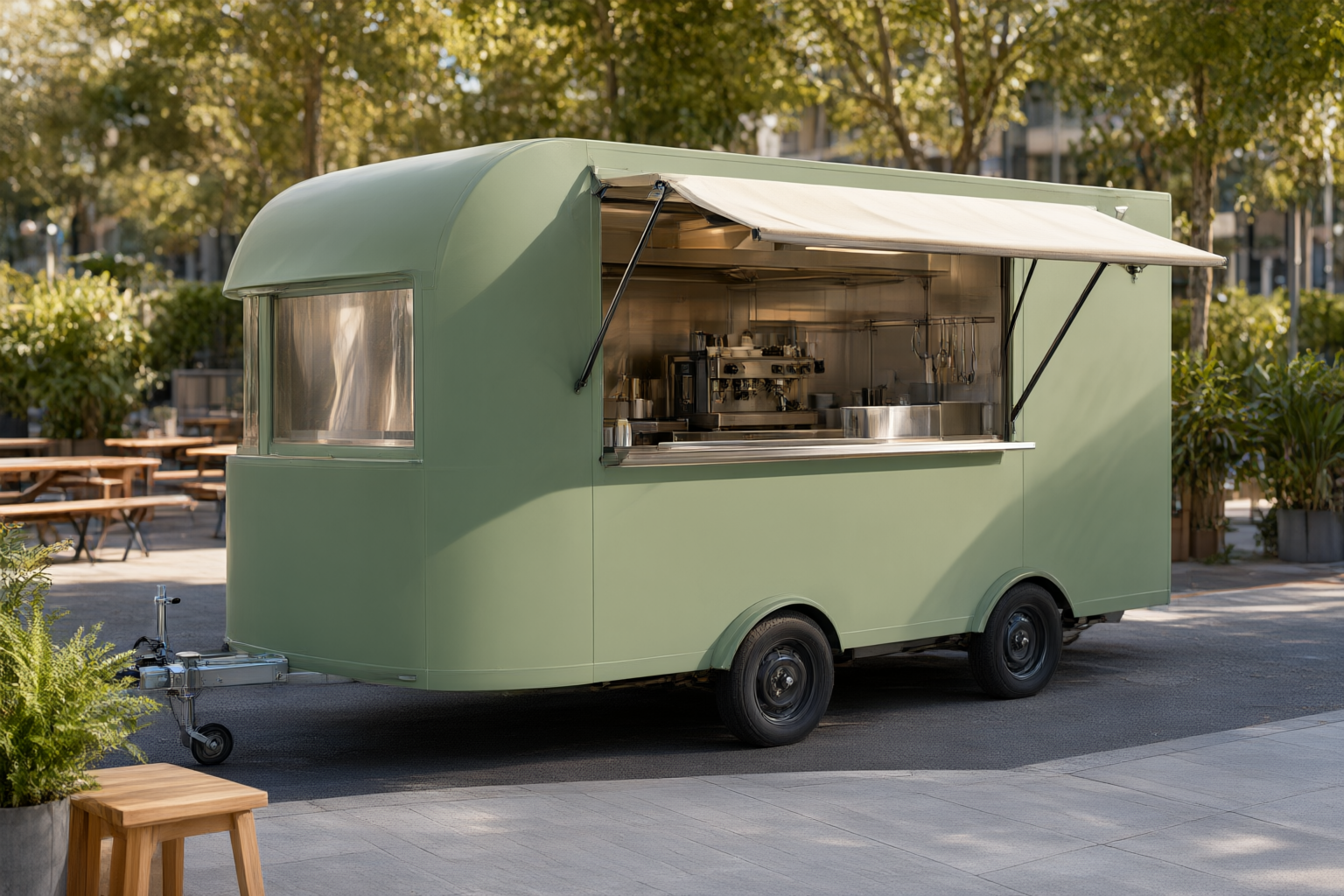
A food trailer is a self-contained, towable commercial kitchen built on a chassis—typically 8′, 10′, or 12′ wide—with full plumbing, electrical, gas, and ventilation systems. Unlike food trucks (which are motorized vehicles), trailers require a separate towing vehicle—but they offer more interior width, easier customization, and often lower insurance premiums.
Key distinctions:
- Food truck: Built on a cutaway van or truck chassis; engine and cab integrated; narrower interior (usually 7’–8′ wide).
- Food trailer: Towed unit; wider footprint (standard widths: 84”, 120”, or 144”); modular build allows for deeper workspaces and larger equipment.
- Concession trailer: Often smaller, less equipped; may lack refrigeration, grease traps, or certified ventilation—unsuitable for full-service cooking.
In practice, most successful U.S. food trailers operate as limited-menu concepts: smash burgers, loaded fries, breakfast sandwiches, or regional specialties. Their strength lies in focused execution—not menu breadth. A well-designed 10′ x 24′ trailer can support two staff comfortably during peak service if layout and equipment match the workflow.
Legal & Licensing Essentials by State (Not Just Health Dept)
Compliance starts before you order equipment—and it varies meaningfully by state and county. While health department approval is universal, three other layers commonly trip up new operators:
- Vehicle registration & titling: In 32 states, food trailers must be titled and registered as commercial vehicles (e.g., California, Texas, Florida). Fees range from $45–$180 annually; some require annual safety inspections.
- Fire marshal review: Required in 27 states for any gas-fired equipment over 50,000 BTU. This includes charbroilers, griddles, and fryers. Approval depends on hood type, ducting, fire suppression, and clearances—not just brand or model.
- Zoning and location permits: Many cities restrict where trailers may park—even on private property. Austin requires a Mobile Food Vendor Certificate plus site-specific approval from the property owner and city planning department. Portland mandates 200 ft. distance from existing restaurants.
Action step: Contact your county health department and fire marshal before finalizing equipment specs. Ask specifically: “Does this griddle model meet your clearance and suppression requirements for a trailer-mounted installation?” Get answers in writing.
Buy vs. Build: Which Path Fits Your Budget and Timeline?
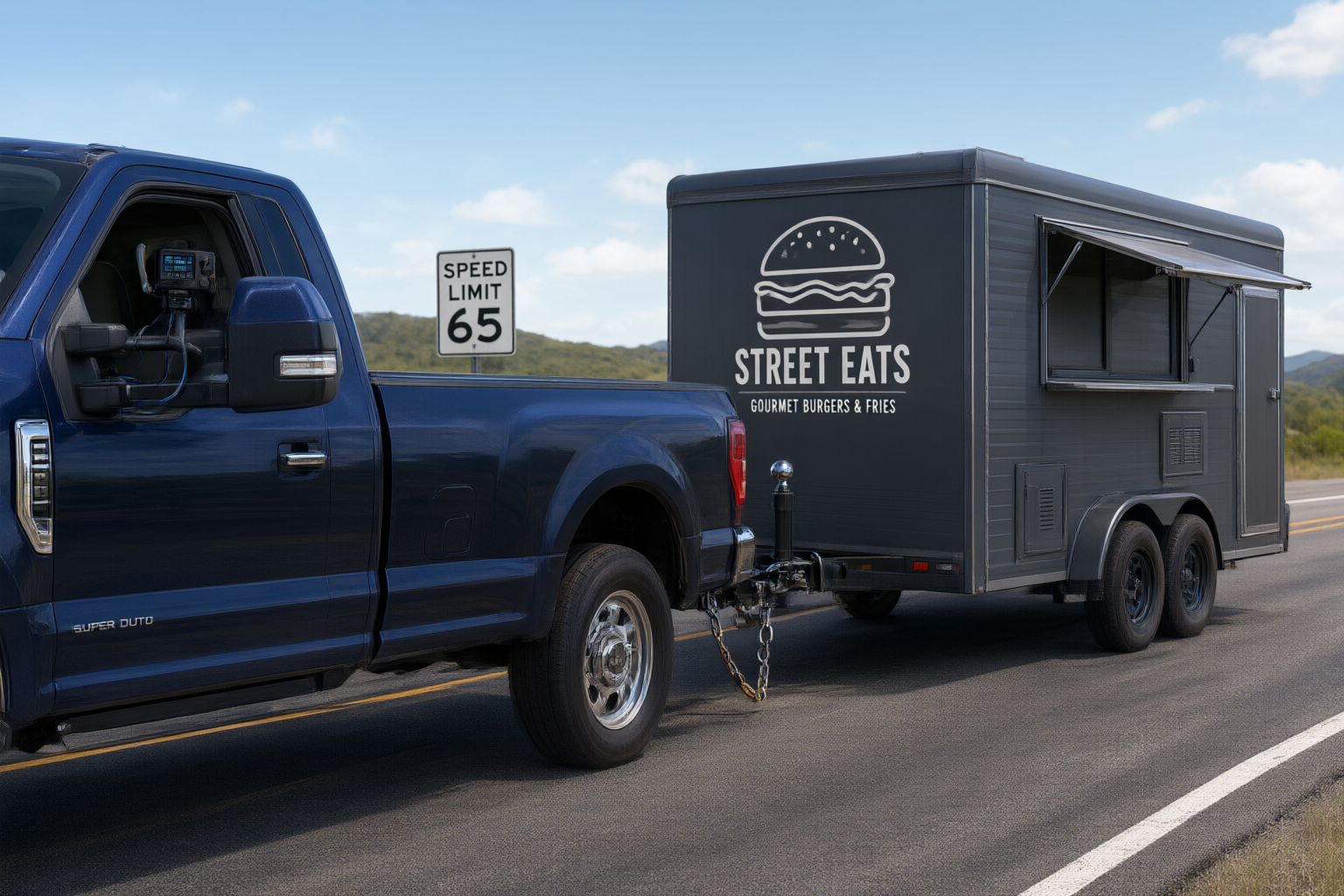
Most first-time operators underestimate both time and complexity. Here’s how the paths break down:
| Factor | Pre-Built Trailer | Custom-Built Trailer |
|---|---|---|
| Typical timeline | 6–10 weeks (delivery + setup) | 14–22 weeks (design, build, inspection) |
| Upfront cost (2024 avg.) | $95,000–$145,000 | $125,000–$210,000+ |
| Equipment flexibility | Limited to manufacturer’s standard options | Full control—size, fuel type, placement |
| Inspection readiness | Often pre-certified for multiple states | Requires coordinated third-party sign-off |
| Resale value | Stronger—standardized specs attract buyers | Weaker unless highly replicable (e.g., smash burger layout) |
For concept-driven operators (e.g., smash burgers), a pre-built trailer with a 36″ manual-control gas griddle, 35–40 lb. fryer, and dual-door refrigerator is often the fastest path to revenue. Custom builds make sense only when your workflow demands nonstandard dimensions—like a 48″ griddle for double-line smash stations or an integrated Trompo machine for rotating skewers.
Smart Layout Design: Where Equipment Actually Fits—and Works
Layout isn’t about aesthetics—it’s about minimizing steps, preventing cross-contamination, and supporting safe, repeatable service. Based on verified trailer floorplans and operator interviews, the most efficient U.S. food trailer layouts follow a linear “assembly line” flow: prep → cook → assemble → serve.
Key spatial realities:
- A 36″ gas griddle occupies ~27.5″ depth—including rear gas connection and required 6″ clearance to combustibles.
- A 35–40 lb. gas fryer needs 30.875″ depth and 46″ height—meaning overhead shelving or signage must account for that vertical space.
- A 12-pan sandwich prep table (48″ wide) fits cleanly beside a 36″ griddle but creates a 12″ gap if placed next to a 48″ griddle—wasted space that becomes a clutter zone.
The smash burger trailers shown in operational photos consistently use this arrangement: prep table (left), 36″ griddle (center), fry station (right), with refrigerated chef base (36″ wide, 7 cu. ft.) directly beneath the prep surface. This keeps cold items within arm’s reach and hot surfaces grouped for heat management.
Core Equipment Breakdown: BTUs, Capacities, and Real-World Fit
Equipment choices must match your menu, volume, and physical envelope—not just marketing claims. Below are actual specs used in compliant U.S. food trailers, with context on how each performs in daily operation.
Griddles & Charbroilers
For smash burgers, a manual-control gas griddle is standard. Key trade-offs:
- 24″ griddle (60,000 BTU): Fits tight spaces; serves ~80–100 units/hour. Requires frequent oil replenishment during rush.
- 36″ griddle (90,000 BTU): Most common choice; supports two parallel smash lines; maintains stable temp under load.
- 48″ griddle (120,000 BTU): Overkill unless running three staff or adding grilled onions/bacon to every order.
Charbroilers are rare in trailers—most operators avoid them due to hood complexity and grease management. If used, a 24″ radiant charbroiler (60,000 BTU) is the largest practical size for a 10′ trailer.
Fryers & Ranges
A dedicated fryer is essential for consistent results. Note these real-world constraints:
- A 35–40 lb. fryer holds enough oil for ~120–150 orders of fries before filtering—ideal for weekend markets.
- A 45–50 lb. fryer adds 12″ to depth and requires higher gas pressure (120,000 BTU vs. 90,000). Only justified if frying >200 units/day regularly.
- Gas ranges (4- or 6-burner) are uncommon in trailers—they consume floor space better used for prep or storage. Hot plates (2-, 4-, or 6-burner) are preferred for flexibility and shallower depth.
Refrigeration & Prep
Cold storage must balance capacity, accessibility, and power draw:
- A 27″ single-door refrigerator (23 cu. ft.) fits tightly beside a 36″ griddle—no wasted corridor space.
- A 55.5″ two-door refrigerator (49 cu. ft.) requires a 55.5″ wall section and 32″ depth—often forcing compromises elsewhere.
- A 36.375″ two-drawer refrigerated chef base (7 cu. ft.) sits directly under prep tables—keeping cheese, pickles, and sauces within reach without bending.
For high-volume prep, a 12-pan 10″ sandwich prep table (48″ wide) offers more usable surface area than a standard work table—and its built-in pans reduce transfer steps.
Power, Gas, and Plumbing: What Your Site Must Support
Your trailer’s utility needs dictate where—and how long—you can operate. Mismatched infrastructure is the #1 cause of unexpected downtime.
Electrical
Most trailers run on 115V/120V circuits (standard outlets). Critical loads include:
- Refrigerators/freezers: 115V, 500–600W each
- Ice machines: 115V, 526W (210 lb./day model)
- Microwaves: 120V, 0.8 cu. ft., ~1,200W
- Dispensers & lighting: 120V, low-wattage
Running everything simultaneously typically draws 30–45 amps. A dedicated 50-amp, 120V circuit is strongly advised—even if your trailer doesn’t require it today. Future upgrades (e.g., convection oven) will.
Gas
Natural gas is rarely viable for trailers—propane is the standard. All listed equipment uses 3/4″ rear NPT connections. Confirm your propane tank setup delivers adequate PSI: most griddles and fryers require 10–13 PSI at the inlet. Low pressure causes uneven heating and flameouts.
Plumbing & Drainage
Trailer sinks require a gray water tank (minimum 25 gallons) and a grease interceptor rated for your fryer’s output. Health departments inspect both. A 35–40 lb. fryer generates ~1.2 gallons of waste oil per 100 lbs. cooked—plan disposal accordingly.
Launch Readiness Checklist: 12 Things to Verify Before Day One
Don’t skip verification—even if paperwork says “approved.” Walk through each item onsite:
- ✅ Your towing vehicle has proper class III or IV hitch and brake controller (required for trailers >3,000 lbs).
- ✅ Propane tank is secured, regulator matches equipment specs, and hose is rated for commercial use (not residential).
- ✅ All gas connections are leak-tested with soapy water—no bubbles visible under pressure.
- ✅ Electrical cord is heavy-duty (12-gauge minimum), grounded, and plugged into GFCI-protected outlet.
- ✅ Hood system is fully assembled, ducted, and connected to fire suppression (if required).
- ✅ Refrigerated units hold steady 38°F or below after 2 hours of runtime—verify with calibrated thermometer.
- ✅ Fryer oil temperature stabilizes at 350°F ±5° within 8 minutes of startup.
- ✅ Griddle surface reaches 375°F across full width within 12 minutes—and holds during 10-minute continuous use.
- ✅ Gray water tank is mounted securely, vented, and accessible for emptying.
- ✅ Exterior signage meets local code (height, illumination, setback from sidewalk).
- ✅ Fire extinguisher (ABC type, 5-lb minimum) is mounted, unobstructed, and within 30 feet of cooking area.
- ✅ First aid kit is stocked, mounted, and visible to staff.
FAQs: Permits, Insurance, Maintenance, and More
How much does food trailer insurance cost in the U.S.?
General liability starts at $2,800–$4,200/year for $1M coverage. Add commercial auto ($1,200–$2,500) if you own the tow vehicle. Equipment breakdown coverage is recommended—especially for fryers and refrigeration units.
Do I need a grease trap for a food trailer?
Yes—if you discharge grease-laden wastewater into a municipal sewer. Most health departments require a portable grease interceptor sized to your fryer’s capacity (e.g., 35–40 lb. fryer → 25-gallon interceptor). Some counties mandate third-party pump-out logs.
How often should I clean the hood and ductwork?
Per NFPA 96, hood filters must be cleaned daily. Ductwork and exhaust fan require professional cleaning every 3 months if using solid fuels (charcoal), or every 6 months for gas-only operations. Keep dated receipts—inspectors ask for them.
Can I operate a food trailer on private property?
Yes—but zoning laws still apply. In 19 states, you’ll need written permission from the property owner plus conditional use approval from the municipality. Home-based operation is almost always prohibited for food preparation.
What’s the average lifespan of key equipment?
With proper maintenance: griddles (12–15 years), fryers (8–12 years), refrigerators (10–14 years), ice machines (7–10 years). Stainless steel worktables and shelves last decades if not abused.
Do I need a commissary kitchen?
Yes—in 47 states. You must store, clean, and maintain your trailer at a licensed commissary. Daily logbooks (cleaning, temperature, maintenance) are required and subject to audit.
Conclusion
A food trailer isn’t a scaled-down restaurant—it’s a specialized tool designed for mobility, speed, and focused execution. Success hinges less on novelty and more on precision: right equipment for your menu, correct permits for your county, and a layout that lets two people move without stepping on each other’s toes.
The smash burger trailers documented in operational photos succeed because they prioritize function over flash—36″ griddles, 35–40 lb. fryers, and refrigerated bases placed for efficiency, not symmetry. That same discipline applies whether you’re serving ramen in Seattle or empanadas in Miami.
Your first trailer won’t be perfect. But if it’s legally sound, mechanically reliable, and designed around how food actually moves from raw ingredient to customer hand—you’ll have a foundation that scales, adapts, and earns trust, one plate at a time.
