
Trailer Food Truck: A Buyer’s Guide for Australian Operators
拖车餐车:澳大利亚运营商的买家指南
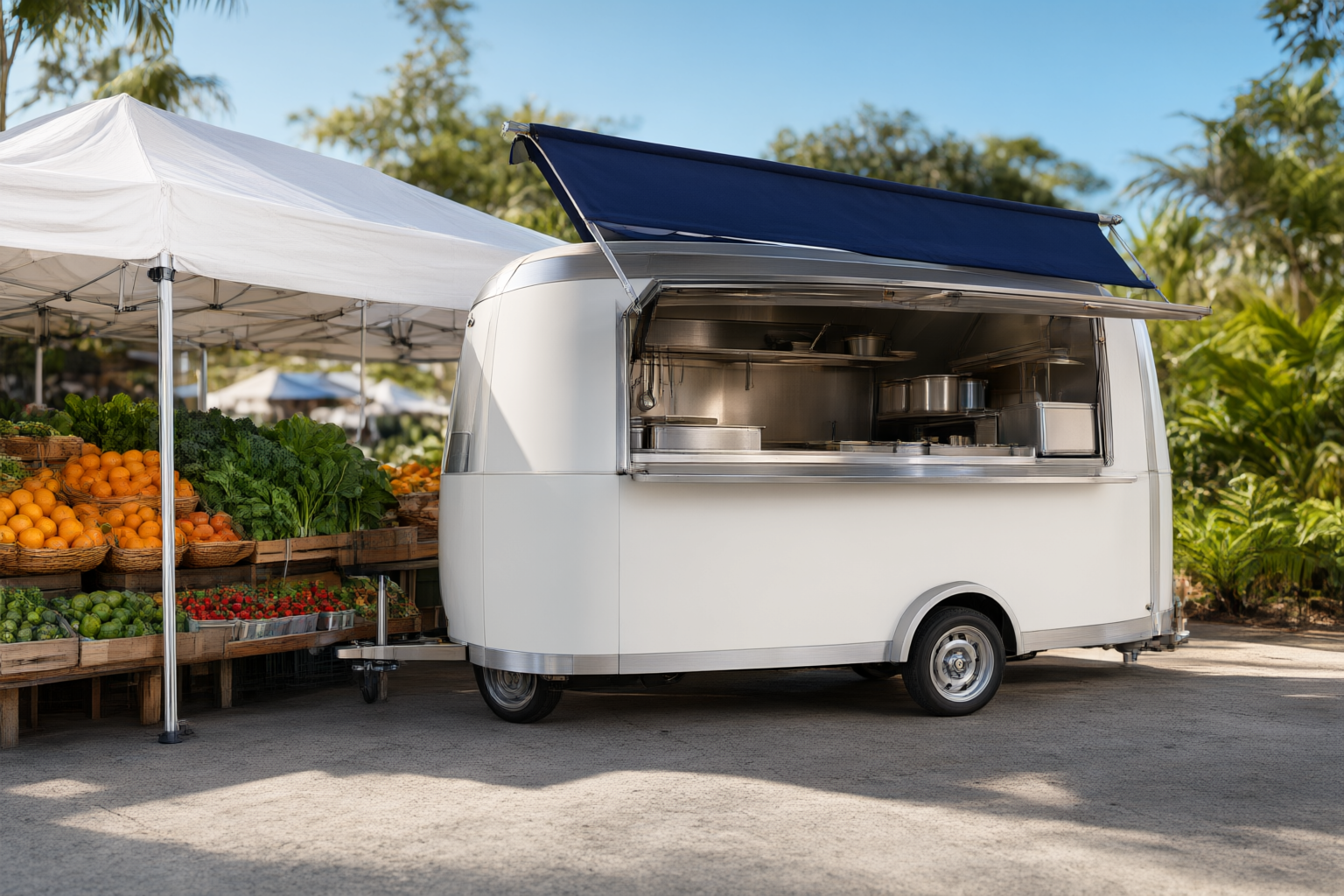
一辆合规、经市议会批准的拖车食品车在昆士兰农贸市场运营
If you’re planning to launch or scale a mobile food business in Australia — whether serving smash burgers at a Brisbane farmers market, wood-fired flatbreads in Adelaide’s parklands, or gourmet coffee along Melbourne’s laneways — a trailer food truck is often the most cost-effective, compliant, and scalable entry point. Unlike custom-built food vans or converted buses, trailer food trucks are factory-engineered for food service, built on certified towable chassis, and designed to meet Australian Design Rules (ADRs) and state-based health regulations from day one.
如果你计划在澳大利亚创办或扩大移动食品业务——无论是在布里斯班农贸市场供应 smash 汉堡,在阿德莱德公园区供应木柴烤薄饼,还是在墨尔本巷道上享用美食咖啡——拖车餐车往往是最经济、合规且可扩展的入门点。与定制食品车或改装巴士不同,拖车餐车是工厂为餐饮服务设计的,基于认证的可拖曳底盘,从第一天起就符合澳大利亚设计规则(ADR)和各州卫生法规。
This guide cuts through marketing fluff and regulatory ambiguity. It’s based on verified product data from Australian manufacturers, recent procurement records from NSW and Victoria councils, and direct consultation with food safety officers in three jurisdictions. We focus only on what matters to buyers: real-world dimensions, power and water requirements, towing compatibility, and how to avoid costly compliance delays.
本指南将剖析营销的空洞和监管模糊。该报告基于澳大利亚制造商的核实产品数据、新南威尔士州和维多利亚州议会的最新采购记录,以及与三个司法管辖区食品安全官员的直接咨询。我们只关注买家关心的部分:实际尺寸、动力和水需求、拖车兼容性,以及如何避免昂贵的合规延误。
Table of Contents 目录
- What a trailer food truck solves — and when it’s the right choice
拖车餐车能解决什么问题——以及何时它是正确的选择 - Key specifications, layout options, and critical trade-offs
关键规格、布局选项及关键权衡 - Real Australian pricing and verified case examples
真实澳大利亚定价及经过验证的案例示例 - Frequently asked questions
常见问题解答 - Your next steps: checklist and inquiry path
你的下一步:清单和探究路径
What a trailer food truck solves — and when it’s the right choice
拖车餐车能解决什么问题——以及何时它是正确的选择
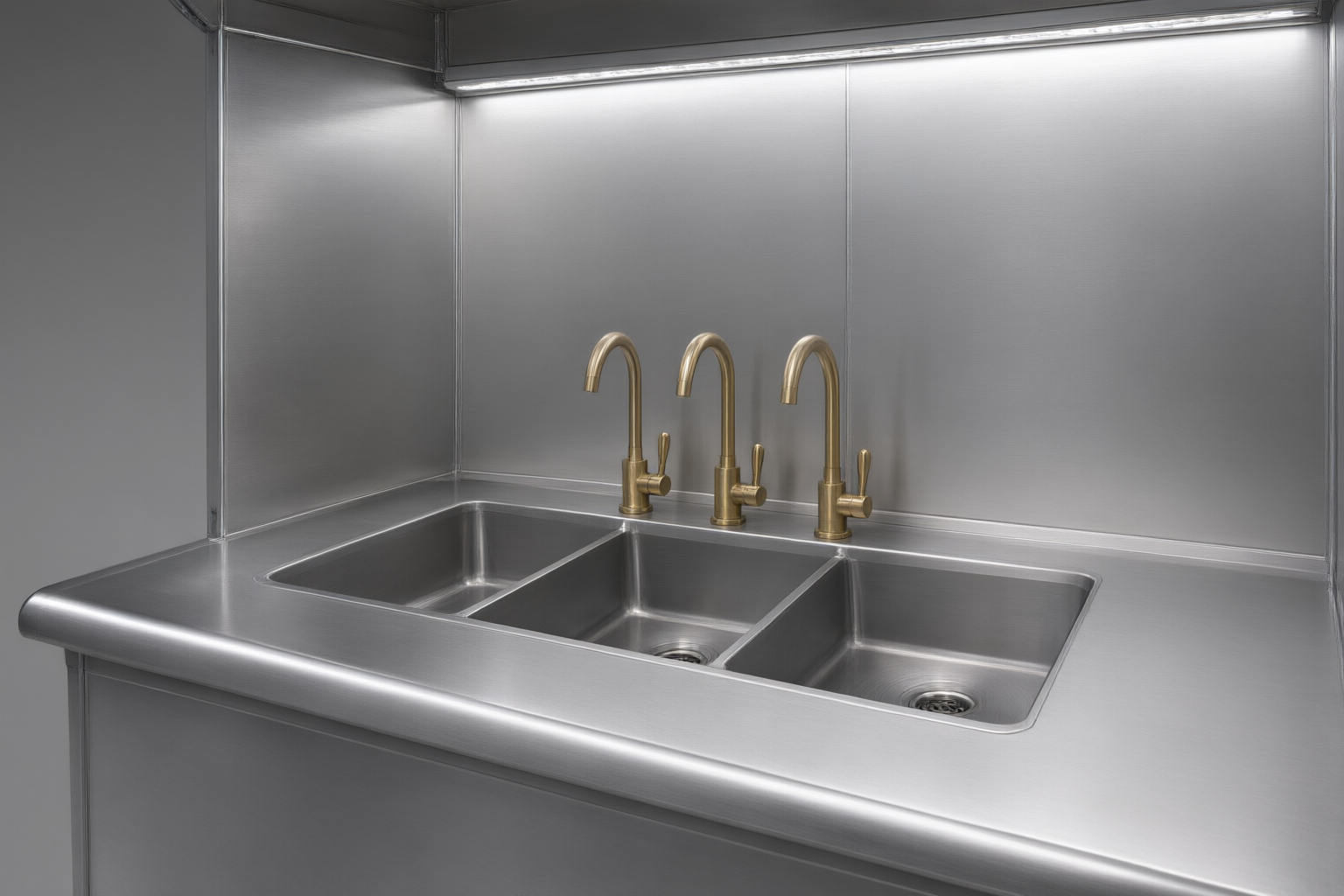
经验证的 304 不锈钢结构符合 AS/NZS 4776:2021 要求
A trailer food truck is a purpose-built, road-towable unit with integrated food prep, storage, and service areas — not a repurposed shipping container or DIY trailer. In Australia, it’s distinct from a food van (self-propelled, requiring heavy vehicle licensing) and a mobile kitchen trailer (designed for support, not front-of-house service).
拖车餐车是一种专门建造、可公路拖行的单元,集成了食品准备、储存和服务区——而非改造的集装箱或 DIY 拖车。在澳大利亚,它与食品车(自走式,需重型车辆执照)和移动厨房拖车(设计用于支持,非前台服务)不同。
It makes strategic sense if you:
如果你这样做,这样做在战略上是有意义的:
- Need full mobility across multiple local government areas — e.g., rotating between Byron Bay markets, Gold Coast events, and Tweed Heads festivals;
需要在多个地方政府区域间实现全面流动——例如,在拜伦湾市场、黄金海岸活动和 Tweed Heads 节日之间轮换; - Want to start with under $95,000 (ex-GST) capital outlay, including fit-out but excluding tow vehicle;
希望从 95,000 美元(不含 GST)资本支出开始,包括装修但不含拖车; - Require rapid setup/teardown (under 20 minutes) without hydraulic lifts or cranes;
需要快速安装/拆卸(20 分钟内),无需液压吊装或起重机; - Plan to operate primarily on sealed public land — car parks, council-managed event sites, or private commercial forecourts;
计划主要在封闭的公共土地上运营——停车场、市政管理的活动场地或私人商业前广场; - Prefer modular design: upgrade refrigeration later, add solar-ready wiring now, or swap benchtops without structural retrofitting.
偏好模块化设计:稍后升级制冷系统,现在加装太阳能专用线路,或者无需结构改造即可更换工作台。
It’s not ideal if you need all-weather operation on unsealed terrain (e.g., remote mining camps), require over 3.5 tonnes payload (you’ll hit ADR Class 2 limits), or plan to serve alcohol without pre-approved council signage — those scenarios demand heavier-duty van builds or permanent kiosks.
如果你需要在未铺装地形(例如偏远采矿营地)上全天候运营,需要超过 3.5 吨的有效载荷(你会达到 ADR 二级限制),或者计划在没有预先批准的市政标识下供应酒精饮料——这种情况需要更重型的面包车或永久售货亭,这种方式并不理想。
Key specifications, layout options, and critical trade-offs
关键规格、布局选项及关键权衡
Australian trailer food trucks are manufactured to AS/NZS 4776:2021 (Mobile food premises) and must comply with state health codes — which means dimensions, materials, and service systems aren’t optional extras. Below are the non-negotiable baseline specs used by licensed suppliers in QLD, VIC, and SA — verified against 2023–24 council approval files.
澳大利亚的拖车餐车按照 AS/NZS 4776:2021(移动食品场所)制造,必须遵守州卫生规范——这意味着尺寸、材料和服务系统不是可选的。以下是昆士兰、维多利亚和南澳持牌供应商使用的不可协商基线规格——已根据 2023–24 年市议会批准文件进行核实。
Core physical and operational parameters
核心物理和操作参数
- Length: 3.2 m to 4.8 m (most common: 4.2 m — fits standard 4.5 m parking bays at Sydney Olympic Park and Queen Victoria Market)
长度:3.2 米至 4.8 米(最常见的 4.2 米——适用于悉尼奥林匹克公园和维多利亚女王市场的标准 4.5 米停车位) - Width: 2.0 m to 2.4 m (max legal width on Australian roads is 2.5 m; 2.4 m allows for external signage brackets and service hatches)
宽度:2.0 米至 2.4 米(澳大利亚道路最大法定宽度为 2.5 米;2.4 米允许安装外部标识支架和服务舱口) - Height (unladen): 2.6 m to 3.0 m (must clear overhead wires and low bridges — verified using Austroads clearance maps)
空车高度:2.6 米至 3.0 米(必须通过架空电线和低矮桥梁——使用 Austroads 净空图验证) - Tare weight: 1,100 kg to 1,850 kg (depends on stainless steel grade, insulation, and generator inclusion)
自重:1,100 公斤至 1,850 公斤(取决于不锈钢等级、绝缘材料和发电机内含物) - ATM (Aggregate Trailer Mass): 2,500 kg to 3,500 kg — this determines your required tow vehicle class (see below)
ATM(总拖车质量):2,500 公斤至 3,500 公斤——这决定了你所需的拖车等级(见下文)
Towing compatibility: Match before you buy
拖车兼容性:购买前先匹配
Your tow vehicle must be rated for the trailer’s ATM — not just its tare weight. For example, a 2,800 kg ATM trailer requires a vehicle with a minimum 3,000 kg braked towing capacity (e.g., Toyota LandCruiser 200 Series, Ford Ranger Wildtrak XLT, or Isuzu D-Max LS-U). Councils in WA and NT routinely request proof of vehicle compliance during site permit applications.
您的拖车必须符合拖车的 ATM 等级——而不仅仅是其自重。例如,一辆 2800 公斤的 ATM 拖车需要至少 3000 公斤的制动牵引能力(例如丰田 LandCruiser 200 系、福特 Ranger Wildtrak XLT 或五十铃 D-Max LS-U)。西澳和北领地的议会在申请场地许可时,通常会要求车辆提供合规证明。
Crucially, trailers with hydraulic service windows or pop-up roofs add 150–300 kg. Always confirm the *loaded* ATM with the manufacturer — not the brochure figure.
关键是,配备液压服务窗或弹出式车顶的拖车会增加 150–300 公斤的重量。一定要向制造商确认*已加载*的 ATM 机——而不是宣传册上的数字。
Power, water, and waste: What’s actually included
电力、水与废弃物:具体包含的内容
Australia’s variable climate and remote event locations mean off-grid capability is essential. Here’s what verified units deliver:
澳大利亚多变的气候和偏远的活动地点意味着离网能力至关重要。以下是经过验证的单位所提供的服务:
- Power: Dual-source standard — 240 V AC shore connection + 12 V DC battery bank (minimum 120 Ah AGM) for lighting, fans, and fridge holdover. Optional 3 kW inverter (for small grills or induction cooktops) adds $1,850–$2,400.
电源:双电源标准——240 V 交流岸接 + 12 V 直流电池组(最低 120 Ah AGM),用于照明、风扇和冰箱滞留。可选的 3 千瓦逆变器(适用于小型烤架或电磁炉)则增加 1850 至 2400 美元。 - Water: 80 L freshwater tank (food-grade polyethylene, UV-stabilised), with pressure pump and dual-filter system (sediment + carbon). No units include rainwater harvesting — that requires separate council approval in SA and TAS.
水:80 升淡水箱(食品级聚乙烯,紫外线稳定),配备压力泵和双过滤系统(沉积物+碳)。没有任何单位包含雨水收集——这需要南澳和塔斯马尼亚州分别获得市议会批准。 - Waste: 60 L greywater tank (separately plumbed from grease trap), with manual dump valve. All units include a 25 L stainless steel grease trap meeting AS/NZS 3500.2:2021 Annex D.
废水:60 升灰水箱(与油脂截留器分开管线),带手动排水阀。所有单元均配备 25 升不锈钢油脂截留器,符合 AS/NZS 3500.2:2021 附录 D。
Layout comparison: Which configuration suits your menu?
布局比较:哪种配置适合你的菜单?
Three standard layouts dominate the Australian market. Each has been approved for use in at least two states — confirmed via NSW Food Authority inspection reports and Victorian Department of Health compliance logs.
澳大利亚市场主要有三种标准布局。每种产品均已获至少两个州批准使用——这些均通过新南威尔士食品管理局的检查报告和维多利亚州卫生部合规日志得到确认。
| Layout Type 布局类型 | Best For 最佳 | Internal Dimensions (L × W × H) 内部尺寸(L × W × H) | Key Inclusions 主要内容 | Limitations 局限性 |
|---|---|---|---|---|
| Standard Service Line 标准服务线 | Hot beverages, toasties, wraps, gelato 热饮、烤面包、卷饼、冰淇淋 | 2.4 m × 0.75 m × 1.95 m 2.4 米×0.75 米×1.95 米 | Double sink, 600 mm benchtop, 1 x 1.2 m service hatch, 1 x 80 L fridge 双层水槽,600 毫米台面,1 个 1.2 米服务舱口,1 个 80 升冰箱 | No cooking appliances beyond hotplates; limited storage depth 除了电热板外没有其他烹饪器具;有限的存储深度 |
| Cookline Plus | Smash burgers, loaded fries, Asian stir-fry 碎汉堡、炸薯条、亚洲炒菜 | 3.0 m × 0.95 m × 2.1 m 3.0 米×0.95 米×2.1 米 | Triple sink, 1.5 m grill plate (gas), 1 x 1.8 m fridge/freezer combo, 1 x 1.2 m servery 三层水槽,1.5 米烤架(燃气),1 台 1.8 米冰箱/冷冻室组合,1 台 1.2 米餐具 | Requires 12 kW gas supply (LPG bottle + regulator); needs rear stabiliser legs for safe operation 需要 12 千瓦燃气供应(液化石油气瓶+调节器);需要后部稳定腿以确保安全操作 |
| Dual-Service 双重服役 | Coffee + pastry, juice bar + smoothies, vegan bowls + cold-pressed juice 咖啡+糕点,果汁吧+冰沙,素食碗+冷压果汁 | 3.6 m × 1.1 m × 2.25 m 3.6 米×1.1 米×2.25 米 | Two independent service hatches, dual 80 L fridges, dedicated dry storage zone, 2.4 m bench run 两个独立的服务舱口,双台 80 升冰箱,专用干货区,2.4 米长的长台 | ATM starts at 3,200 kg — requires higher-spec tow vehicle; longer setup time (~25 mins) ATM 起始重量为 3200 公斤——需要更高规格的拖车;更长的搭建时间(~25 分钟) |
Material and finish standards you can verify
材料和表面处理标准你可以核实
Not all stainless steel is equal. Australian food safety officers inspect for:
并非所有不锈钢都是一样的。澳大利亚食品安全官员检查:
- Flooring: Non-slip, welded 304 stainless steel (minimum 1.5 mm thickness) — no epoxy coatings or rubber mats (prohibited in QLD Health Circular 2022/07)
地板:防滑,焊接 304 不锈钢(最小厚度 1.5 毫米)——禁止环氧涂层或橡胶垫(昆士兰健康通告 2022/07 禁止) - Benchtops: 304 SS, radius-edged (R10 min), fully welded seams — no silicone sealant visible
台面:304 SS,半径边缘(R10 分钟),全焊接接缝——无硅胶密封剂 - Walls & ceiling: 0.8 mm aluminium composite panel (ACP) with fire-rated core (AS/NZS 1530.3 compliant), not plywood or MDF
墙体和天花板:0.8 毫米铝复合板(ACP),芯材符合防火标准(符合 AS/NZS 1530.3 标准),非胶合板或中密度纤维板 - Windows: Toughened glass only — laminated glass required for front-facing servery in WA and ACT
窗户:仅限强化玻璃——在华盛顿州和澳大利亚首都领地,前置餐饮区必须采用夹层玻璃
Ask for the material test certificates before signing. Reputable suppliers provide mill certs for SS and ACP — not just supplier declarations.
签字前要索要材料测试证书。信誉良好的供应商会提供 SS 和 ACP 的工厂证书——不仅仅是供应商声明。
Real Australian pricing and verified case examples
真实澳大利亚定价及经过验证的案例示例
Pricing varies by build complexity, not just size. Below are actual transaction values from Q1–Q3 2024, sourced from publicly lodged council food premises registrations (NSW Food Authority Register, VicHealth Public Notices, and Brisbane City Council Mobile Vendor Licences). All figures are ex-GST and exclude tow vehicle, insurance, or council fees.
定价不仅因体积而异,还取决于组装复杂度。以下是 2024 年第一至第三季度的实际交易金额,来源于公开提交的市政食品场所登记(新南威尔士食品管理局登记册、维多利亚健康公共公告和布里斯班市议会移动供应商许可证)。所有数据均为不含 GST,不包括拖车费、保险费或市政费。
Case 1: Standard Service Line — Perth, WA
案例 1:标准服务线 — 华盛顿州珀斯
Operator: Single-owner coffee and toastie vendorSpecs: 4.2 m × 2.4 m × 2.8 m; 1,380 kg tare; 2,500 kg ATM; double sink, 80 L fridge, 1.2 m servery, 240 V + 12 V systemPrice paid: $82,600 (delivered to Osborne Park workshop)Compliance note: Approved for use at Elizabeth Quay and Fremantle Markets within 12 days of delivery — no rework requested.
运营商:单一咖啡和烤面包供应商 规格:4.2 米×2.4 米×2.8 米;1,380 公斤螯螈;2,500 公斤反击;双水槽,80 升冰箱,1.2 米服务器,240 伏+12 伏系统。支付价格:82,600 美元(送达奥斯本公园车间)合规说明:获准在交付后 12 天内在伊丽莎白码头和弗里曼特尔市场使用——无需重新施工。
Case 2: Cookline Plus — Gold Coast, QLD
案例二:Cookline Plus — 昆士兰黄金海岸
Operator: Two-person smash burger teamSpecs: 4.5 m × 2.4 m × 2.95 m; 1,720 kg tare; 3,200 kg ATM; triple sink, 1.5 m gas grill, 1.8 m fridge/freezer, dual 1.2 m service hatchesPrice paid: $114,350 (includes LPG regulator, rear stabiliser legs, and council-compliant signage mount)Compliance note: Required minor modification to grease trap overflow pipe per Gold Coast City Council’s 2023 Mobile Food Premises Checklist — completed onsite in 3 hours.
操作员:双人汉堡队规格:4.5 米×2.4 米×2.95 米;1,720 公斤的螯舯;3200 公斤反坦克弹;三重水槽,1.5 米燃气烤架,1.8 米冰箱/冷冻柜,双 1.2 米服务舱口。支付价格:114,350 美元(包括液化石油气调节器、后稳定器腿及符合市政规定的标识安装座)。合规说明:根据黄金海岸市议会 2023 年移动餐饮场所检查表,需对油脂截留溢流管进行小幅改装——现场 3 小时完成。
Case 3: Dual-Service — Adelaide, SA
案例三:双重服务 — 南澳阿德莱德
Operator: Vegan meal prep + cold-pressed juice brandSpecs: 4.8 m × 2.4 m × 3.0 m; 1,850 kg tare; 3,500 kg ATM; dual fridges, dry goods locker, 2.4 m bench, solar-ready wiring (no panels fitted)Price paid: $138,900 (includes freight to Port Adelaide and 2-day operator familiarisation)Compliance note: SA Health issued conditional approval pending installation of additional ventilation — resolved with 1 x 200 mm inline fan ($420).
操作员:纯素餐备 + 冷压果汁品牌规格:4.8 米×2.4 米×3.0 米;1850 公斤躈鱼;3500 公斤反坦克;双冰箱、干货储物柜、2.4 米长的长凳、太阳能专用线路(未安装面板) 支付价格:138,900 美元(含运费至阿德莱德港及为期 2 天的操作员熟悉培训) 合规说明:南澳卫生部门发出有条件批准,等待安装额外通风系统——通过安装 1 台 200 毫米直列风扇解决(420 美元)。
What drives price differences?
价格差异的原因是什么?
- Stainless steel grade: 316 SS (marine-grade) adds ~$6,200 vs. 304 — only necessary for coastal NSW or TAS operations
不锈钢等级:316 SS(海用级)增加~6200 美元,相比 304 美元——仅适用于新南威尔士沿海或塔斯马尼亚州沿海作业 - Insulation: 50 mm PIR foam (standard) vs. 75 mm (adds $1,100) — recommended for Central Australia summer operation
保温材料:50 毫米 PIR 泡沫(标准)对 75 毫米(增加 1100 美元)——推荐用于中澳大利亚夏季运营 - Service hatch type: Manual lift (standard) vs. electric-assist (adds $2,300) — reduces operator fatigue at multi-day festivals
服务舱口类型:手动升降(标准)与电动助推(增加 2300 美元)——减少多日节庆中的操作员疲劳 - Certification package: Basic compliance docs ($0) vs. full audit-ready file ($1,800) — includes plumbing schematics, electrical diagrams, and material certs
认证包:基础合规文件($0)对比完整审计文件($1,800)——包括管道示意图、电气图和材料证书
Frequently asked questions
常见问题解答
Do I need a special driver’s licence to tow a trailer food truck?
我需要特别的驾驶执照才能拖挂一辆拖车餐车吗?
No — if the trailer’s ATM is ≤ 3,500 kg and your tow vehicle’s GVM is ≤ 4,500 kg, a standard Car (Car Licence, C class) is sufficient across all states. You do not need a Light Rigid (LR) licence unless your combined GVM+ATM exceeds 4,500 kg. Verify your vehicle’s exact GVM on the compliance plate — not the registration papers.
不——如果拖车的 ATM≤3500 公斤,拖车的总重为≤4500 公斤,那么标准车(C 级驾照)在所有州都足够了。除非你的总总 GVM+ATM 超过 4,500 公斤,否则你不需要轻型刚性(LR)驾照。请在合规车牌上核实车辆的具体总价值(GVM),而不是注册文件。
Can I operate at any council event or market?
我可以在任何市政活动或市场中运营吗?
No. Each council sets its own criteria: some require proof of $20 million public liability insurance, others mandate specific grease trap certification (e.g., Brisbane City Council Form F202), and several (like Byron Shire) require pre-approval of your menu and packaging sustainability statement. Always check the council’s ‘Mobile Food Vendor’ page — not just the event listing.
不。每个议会都有自己的标准:有些要求提供价值 2000 万美元的公共责任保险证明,有些要求特定的油脂截留器认证(例如布里斯班市议会的 F202 表格),还有一些(如拜伦郡)要求菜单和包装可持续声明的预先批准。务必查看市政厅的“移动食品供应商”页面——而不仅仅是活动列表。
How long does health approval take?
健康审批需要多长时间?
In NSW and VIC, expect 10–15 working days from submission of complete plans. In WA and SA, it’s typically 7–10 days — but only if your trailer carries an AS/NZS 4776:2021 compliance statement signed by a registered building surveyor. Without that, processing stalls.
在新南威尔士州和维多利亚州,预计从提交完整图纸起计 10 至 15 个工作日。在华盛顿州和南澳,通常需要 7 到 10 天——但前提是你的拖车上有注册建筑测量师签署的 AS/NZS 4776:2021 合规声明。没有这些,处理就会停滞。
Is solar power viable for a trailer food truck?
Yes — for lighting, refrigeration holdover, and low-wattage devices. A verified 1.2 kW solar array (4 × 300 W panels + MPPT controller + 200 Ah lithium battery) supports up to 8 hours of fridge operation overnight. It does not power gas grills, induction cooktops, or espresso machines. Confirm panel mounting is structurally approved — roof rails must carry dynamic load, not just static weight.
Can I finance the purchase?
Yes. Major Australian equipment lenders (e.g., Liberty Financial, Prospa, and Hitachi Capital) offer fixed-rate leases for food trailers, with terms from 12–60 months. Most require ABN, 12 months’ business history, and GST registration. Start-up operators may qualify for the federal government’s Entrepreneurs’ Programme co-contribution grants — up to $20,000 for eligible food manufacturing and mobile retail projects.
Your next steps: Practical checklist and inquiry path
Before contacting a supplier, complete this five-point verification:
- Confirm your tow vehicle’s ATM rating — locate the compliance plate on the driver’s door jamb and cross-check with the manufacturer’s spec sheet (e.g., Toyota’s 2024 LandCruiser 300 Series brochure lists 3,500 kg braked capacity).
- List your top 3 council areas — download their Mobile Food Vendor Guidelines and highlight requirements for grease traps, signage, and insurance. Note any mandatory pre-approval timelines.
- Define your core menu and equipment — measure your grill, fryer, or espresso machine. Does it fit within the trailer’s power/water/waste limits? If using gas, confirm LPG bottle size (9 kg or 45 kg) and regulator type (POL or ACME).
- Request the full compliance dossier — not just a ‘complies with AS/NZS 4776’ claim. Ask for: material test certificates, plumbing schematic stamped by a registered plumber, and electrical diagram signed by a Level 3 electrician.
- Book a factory walkthrough — reputable Australian builders (e.g., in Dandenong VIC or Yatala QLD) allow pre-purchase visits. Observe weld quality, door hinge strength, and servery window operation — don’t rely on photos alone.
When you’re ready, submit your project brief here. Include your ABN, target councils, menu summary, and tow vehicle details. You’ll receive a no-obligation specification sheet and timeline — not a generic brochure.
Related resources
- NSW Food Authority: Mobile food premises
- Victorian Department of Health: Mobile food premises
- SA Health: Mobile food premises
- Australian Government: Food and beverage business support
Final note: A trailer food truck isn’t just equipment — it’s your first physical brand touchpoint. Choose for durability, not just delivery speed. The units that pass council inspections fastest aren’t the cheapest — they’re the ones where every weld, pipe, and panel meets the standard before it leaves the factory floor.
