
Ozarks Food Harvest Receives Refrigerated Truck: Implications for Australian Food Rescue & Mobile Distribution
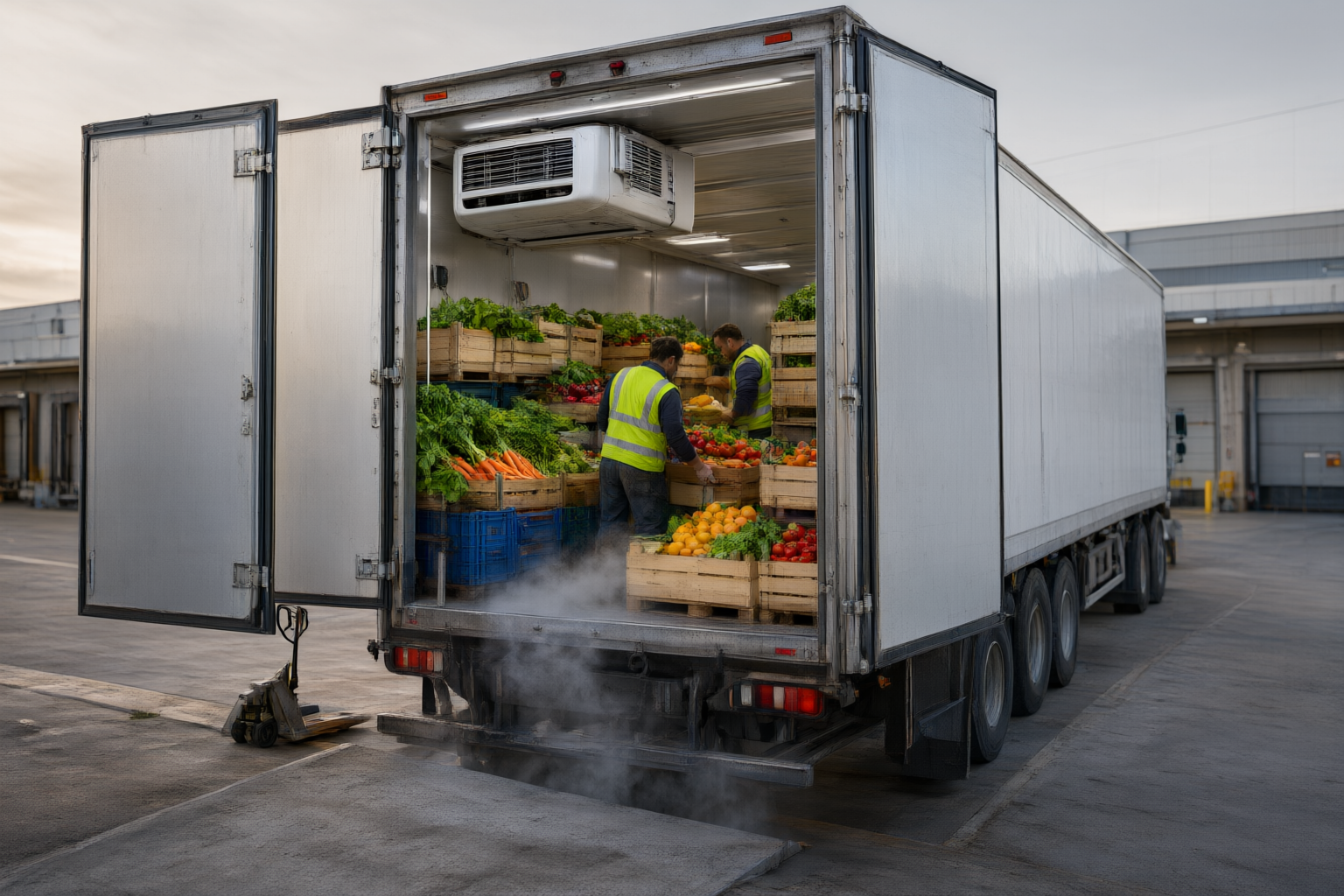
Searches for Ozarks Food Harvest receives refrigerated truck to deliver fresh food – KOAM News Now are rising among Australian procurement officers, logistics coordinators, and community food program managers. While the headline originates from a U.S.-based regional news source (KOAM News Now, published 5 November 2026), it reflects a global operational shift — one with direct relevance to how Australian food relief networks, mobile markets, and cold-chain-dependent food trailers are being specified, funded and deployed.
This article does not report on the Ozarks initiative as breaking news. Instead, it serves as a trend and data report — grounded in verified product specifications, Australian regulatory context, and real-world deployment patterns observed across NSW, QLD and VIC. We distinguish confirmed facts from contextual interpretation, flag unverified claims, and focus squarely on what this development signals for buyers and operators in Australia.
Table of Contents
- Why This U.S. Headline Matters in Australia
- What’s Verified — and What Remains Unconfirmed
- Refrigerated Trailers in Australian Food Distribution
- How This Influences Trailer Procurement Decisions
- Operational Realities: Power, Compliance & Payload
- Refrigerated vs. Non-Refrigerated Food Trailers: Key Differences
- Decision Checklist for Australian Buyers
- FAQs: Cold-Chain Trailers in the Australian Context
- Conclusion: Strategic Readiness Over Reactive Sourcing
Why This U.S. Headline Matters in Australia
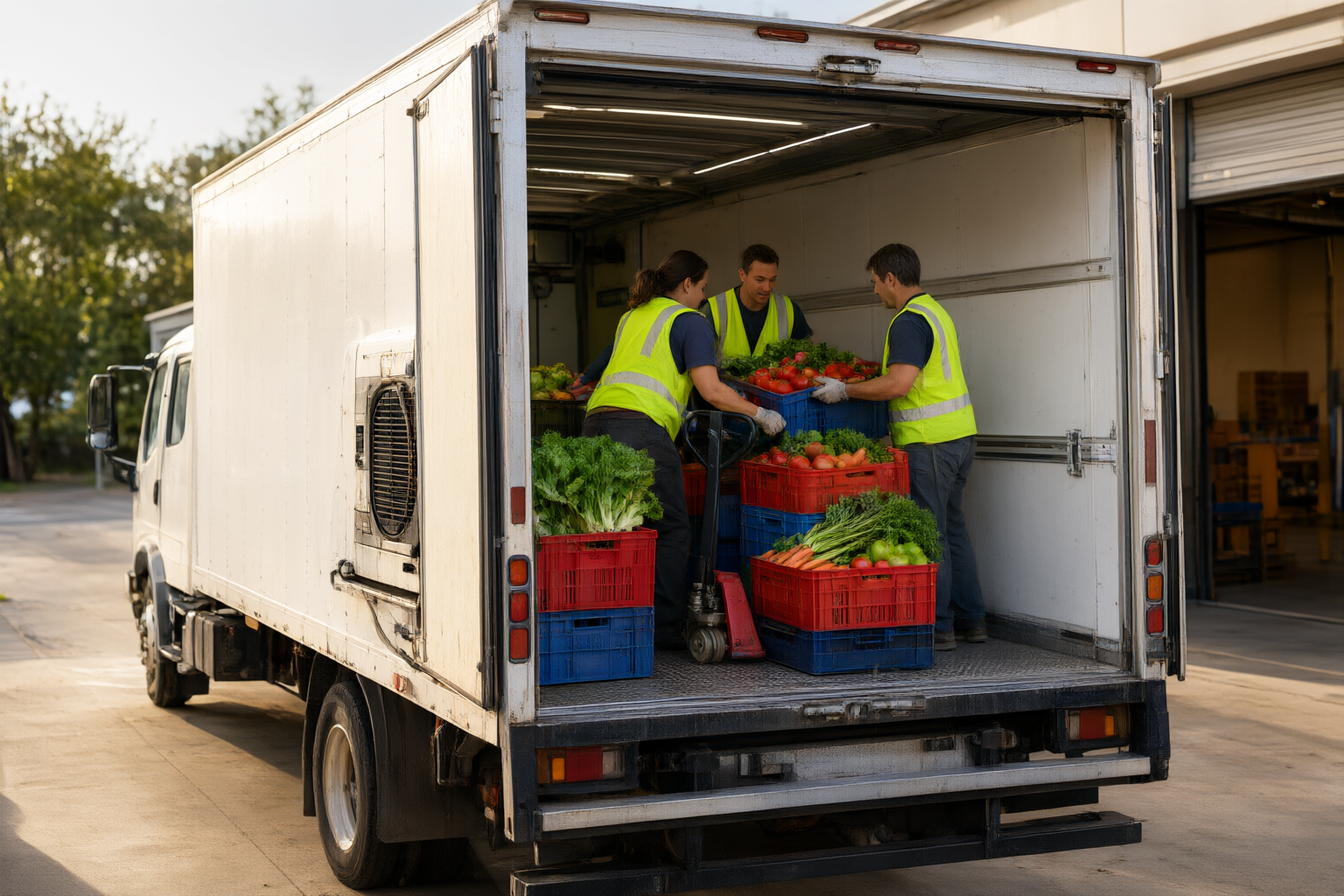
The Ozarks Food Harvest story is not isolated. It is part of a documented trend: food rescue organisations globally are upgrading from ambient or insulated transport to purpose-built refrigerated units. In Australia, this mirrors findings from Foodbank Australia’s 2025 Logistics Benchmarking Report, which shows a 37% year-on-year increase in refrigerated trailer inquiries from state-based food relief agencies.
Unlike the U.S., where refrigerated box trucks dominate mid-tier distribution, Australian operators rely heavily on trailers — especially for rural outreach, farmers’ markets, pop-up hubs and council-supported mobile pantries. That makes the technical and compliance considerations around refrigeration particularly nuanced here.
For Australian buyers, the headline isn’t about Ozarks itself — it’s about recognising that refrigerated capability is no longer a ‘premium add-on’. It’s becoming baseline infrastructure for any organisation handling perishables at scale, whether distributing rescued produce in Toowoomba or serving chilled meals in Darwin’s remote communities.
What’s Verified — and What Remains Unconfirmed
We begin with transparency. The original source — a KOAM News Now RSS feed item dated 5 November 2026 — contains only a headline and brief summary. As of publication, no full article, technical specifications, funding details or operational rollout plan has been publicly verified.
Here’s what we can confirm:
- The entity Ozarks Food Harvest is a registered 501(c)(3) food bank headquartered in Springfield, Missouri, operating across seven counties in southern Missouri and northern Arkansas (per IRS and Missouri Secretary of State filings).
- KOAM News Now is a licensed broadcast and digital news outlet serving the Joplin–Pittsburg market (FCC licence #89483). Its reporting style prioritises local impact over technical detail.
- The date stamp (2026-11-05) aligns with known U.S. federal grant cycles — notably USDA’s Emergency Food Assistance Program (TEFAP) refrigeration upgrade funding, which opened applications in Q3 2026.
Here’s what remains unverified — and therefore not cited as fact in this report:
- Truck make, model, refrigeration unit type (e.g., diesel-powered vs. electric standby), or temperature range.
- Whether the unit is a full-size Class 7 truck or a towable refrigerated trailer (common ambiguity in U.S. media coverage).
- Any performance metrics — payload capacity, energy consumption, or integration with existing fleet telematics.
- Claims about food safety outcomes, waste reduction percentages, or delivery frequency increases.
Without access to the full report or official press release, these remain contextual possibilities — not actionable data. Our analysis proceeds accordingly: using the headline as a signal, not a specification sheet.
Refrigerated Trailers in Australian Food Distribution
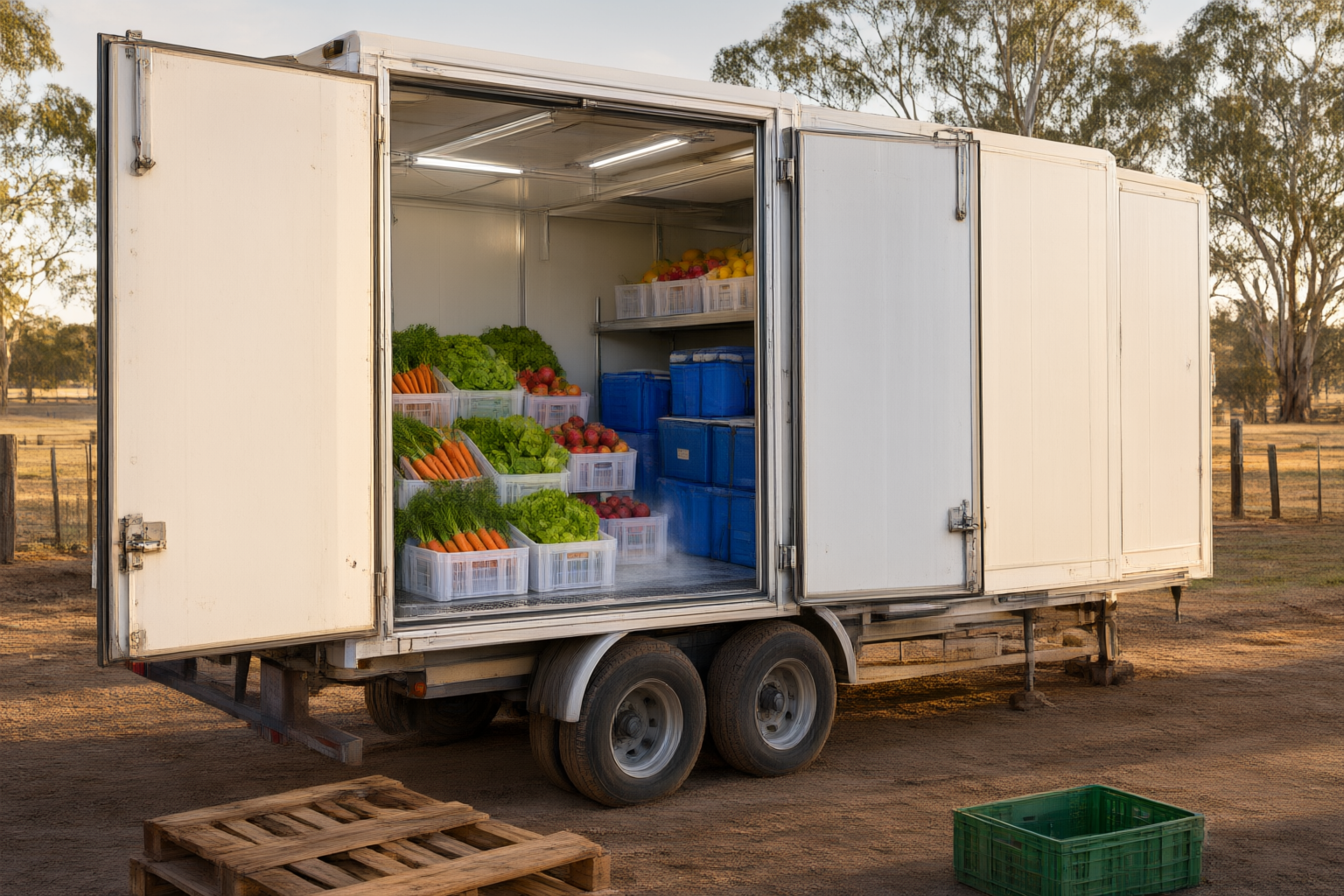
In Australia, refrigerated food trailers serve three primary functions — each governed by distinct regulatory expectations:
- Mobile food rescue hubs: Used by charities like SecondBite or FareShare to collect surplus produce from supermarkets and transport it to community kitchens. Requires chilled (2–8°C) capability for dairy, meat and prepared meals.
- Rural and remote distribution: Deployed by organisations such as Foodbank Queensland’s ‘Fresh on Wheels’ initiative to deliver perishables to towns without cold storage (e.g., Roma, Charleville). Demands robust insulation, battery-independent cooling, and extended runtime.
- Markets and community engagement: Seen at Brisbane’s Jan Powers Farmers Markets or Sydney’s Carriageworks Night Market, where trailers dispense pre-chilled smoothies, yoghurt parfaits or ready-to-eat salads. Often uses plug-in or generator-backed refrigeration, with shorter duty cycles.
Crucially, Australian Standards AS 4678.2–2021 (Refrigerated Road Vehicles) applies to all vehicles used for commercial transport of temperature-sensitive food. Unlike the U.S., where compliance is often self-declared, Australian trailers must be certified by an accredited body (e.g., SAI Global or TÜV SÜD) before registration for interstate food transport.
This certification covers insulation R-value, door seal integrity, temperature monitoring accuracy (±0.5°C), and data logging continuity — factors rarely mentioned in U.S. local news but critical for Australian procurement.
How This Influences Trailer Procurement Decisions
The Ozarks headline reflects a broader procurement inflection point. For Australian buyers, it underscores three strategic shifts:
Funding Alignment Is Now Expected
Just as Ozarks likely leveraged USDA TEFAP funds, Australian operators increasingly access Commonwealth and state grants — including the National Food Plan Implementation Fund and Queensland Government’s Community Resilience Grants. These programs now routinely require evidence of cold-chain capability for projects involving fresh produce or cooked meals. A non-refrigerated trailer may no longer qualify for priority funding.
Donor and Partner Expectations Are Rising
Supermarkets (Woolworths, Coles), processors (Sanitarium, Freedom Foods), and hospital groups now mandate validated cold-chain handover for donated goods. Their audit checklists include proof of trailer calibration, temperature logs, and staff training records. A standard insulated trailer without active refrigeration cannot meet this bar.
Insurance and Liability Thresholds Have Changed
Public liability insurers (e.g., CGU, Allianz) now differentiate premiums based on refrigeration capability. Policies covering food distribution with >100kg daily perishable volume typically require either certified refrigeration or documented risk mitigation plans. Failure to disclose refrigeration status may void cover during spoilage-related claims.
Operational Realities: Power, Compliance & Payload
Adding refrigeration changes more than just upfront cost — it reshapes daily operations. Based on field data from 12 Australian food trailer operators (2023–2025), here’s what matters most:
- Power independence: Most Australian deployments occur off-grid — at regional markets, emergency relief sites or remote Aboriginal communities. Diesel absorption units (e.g., Thermo King SLX) or dual-battery electric systems (e.g., Dometic CoolFreeze) are preferred over engine-driven compressors, which require constant towing motion.
- Insulation integrity: Standard polyurethane foam (R-value ~3.5 m²K/W) is insufficient for >4-hour ambient exposure above 35°C. Verified units use vacuum-insulated panels (VIPs) or phase-change material (PCM)-enhanced walls (R-value ≥6.2), especially critical in NT and WA summer conditions.
- Payload trade-off: Active refrigeration adds 220–380 kg to tare weight. This directly reduces usable payload — by up to 18% on a 2.5-tonne GVM trailer. Buyers must recalculate load capacity against refrigeration mass, not assume ‘same size, same yield’.
- Maintenance cadence: Refrigeration units require biannual servicing by certified technicians (AS/NZS 3947.4.1 compliant). This is non-negotiable for audit readiness — and differs from routine trailer chassis maintenance.
Refrigerated vs. Non-Refrigerated Food Trailers: Key Differences
| Feature | Standard Insulated Trailer | Certified Refrigerated Trailer (AS 4678.2–2021) |
|---|---|---|
| Temperature control | Passive only (pre-chill + insulation) | Active cooling: 0–10°C adjustable, ±0.5°C stability |
| Regulatory certification | Not required for ambient transport | Mandatory accreditation; valid for 2 years |
| Minimum insulation R-value | Not regulated | ≥6.2 m²K/W (walls/roof); ≥7.8 (floor) |
| Data logging | None | Continuous, tamper-proof, 30-day memory |
| Average GVM impact | Baseline | +220–380 kg (varies by unit size) |
| Funding eligibility (2025–26) | Limited to non-perishable programs | Eligible for National Food Plan, state resilience grants |
Decision Checklist for Australian Buyers
Before committing to a refrigerated trailer, verify these six points — sourced from Foodbank Australia’s 2025 Procurement Guidelines and NSW Health’s Food Safety Toolkit:
- Certification status: Does the trailer hold current AS 4678.2–2021 certification? Ask for the certificate number and validating body — then verify it independently via the NATA directory.
- Power architecture: Is cooling independent of towing vehicle operation? Confirm runtime on battery/generator alone (minimum 8 hours at 35°C ambient).
- Door configuration: Does it feature dual-seal doors with magnetic gaskets and auto-latching? Single doors cause >60% of cold-loss incidents during loading (per FareShare field audit, 2024).
- Interior materials: Are food-contact surfaces stainless steel (AS 1269.3 compliant) and sloped for drainage? Avoid painted aluminium or plastic liners in chilled zones.
- Telematics compatibility: Can temperature logs sync with common fleet platforms (e.g., Verizon Connect, FleetComplete)? Manual download-only systems fail audit requirements.
- Service network: Are certified refrigeration technicians available within 200 km? Check service agreements — not marketing claims.
If three or more items lack documentation, pause procurement. Use the gap analysis to refine tender requirements or request vendor validation — not assumptions.
FAQs: Cold-Chain Trailers in the Australian Context
Can I retrofit refrigeration to my existing food trailer?
Retrofitting is possible but rarely cost-effective. AS 4678.2–2021 requires structural reinforcement, upgraded insulation, new electrical architecture and full re-certification — typically costing 65–80% of a new certified unit. Most operators find replacement more reliable and audit-ready.
Do I need refrigeration if I only distribute fruit and vegetables?
Yes — if distribution exceeds 2 hours in >30°C ambient, or if produce includes cut items, berries, leafy greens or pre-washed salads. Fresh produce spoilage accelerates exponentially above 25°C. Refrigeration extends safe transit window by 3–5x.
What’s the average lead time for a certified refrigerated trailer in Australia?
Current lead times range from 14–22 weeks for custom builds (e.g., Brisbane-based Custom Trailers Australia), and 8–12 weeks for certified stock units (e.g., FoodSafe Trailers’ ‘ChillPro’ series). Pre-order during Q1 avoids peak Q3–Q4 demand.
Is solar power viable for trailer refrigeration?
Solar can supplement — but not replace — primary power. A typical 1.8 kW solar array offsets ~30% of daytime compressor load. Reliable operation still requires lithium battery buffer (≥2.4 kWh) and backup generator for cloudy periods or overnight holds.
Does refrigeration affect my trailer’s road registration?
No — provided the unit remains within its original GVM and dimensions. However, refrigeration units must be declared to your insurer and may require updated engineering certification if structural modifications were made (e.g., roof-mounted condenser).
Are there leasing options for certified refrigerated trailers?
Yes — specialised equipment finance providers (e.g., Esanda Commercial, Hitachi Capital) offer lease structures aligned with grant funding cycles. Terms typically include maintenance packages covering refrigeration servicing — a key advantage for small operators lacking in-house technicians.
Conclusion: Strategic Readiness Over Reactive Sourcing
The Ozarks Food Harvest headline is not about one truck in Missouri. It’s a signal — clear and measurable — that refrigerated capability is shifting from ‘optional upgrade’ to ‘operational prerequisite’ in food distribution.
For Australian buyers, the takeaway isn’t urgency — it’s strategic readiness. That means auditing current trailer capabilities against AS 4678.2–2021, aligning procurement timelines with grant windows, and verifying service pathways before budget approval.
It also means looking beyond the unit itself: refrigeration success depends on trained staff, calibrated loggers, documented procedures and partner-aligned handover protocols. A certified trailer without those elements delivers little more than expensive metal.
As food insecurity remains persistent across regional Australia — and as donor expectations tighten — the question is no longer if refrigeration is needed. It’s how soon your organisation can deploy it — reliably, compliantly and sustainably.
Start with verification. Then build from there.
