Blog Single
When people search for “food trailer food”, they are really asking one big question:
“What should I sell from my food trailer that customers will love and that actually makes money?”
The good news: there is a lot of data and experience from successful food trucks and trailers around the world. Industry lists of the most profitable food truck items consistently highlight burgers, tacos, loaded fries, breakfast items, pizza, desserts and drinks as top sellers with strong margins.(pos.toasttab.com))
This guide pulls ideas from those lists and real-world concepts, then organizes them into practical menu categories you can use when planning your own food trailer.
1. What Makes Great “Food Trailer Food”?
Before choosing a cuisine, understand what makes food work especially well from a trailer.
Great food trailer food usually:
Serves fast – most items should be ready in 3–5 minutes during peak times.
Is easy to eat on the go – handheld or in simple disposable packaging.
Has controllable food cost – inexpensive base ingredients with high perceived value.
Shares ingredients across multiple dishes – so you don’t need a huge storage space.
Fits your equipment and trailer size – a tiny trailer shouldn’t try to run a full BBQ smokehouse.
If a menu concept checks most of these boxes, it has good potential for a profitable food trailer.
2. Top Food Trailer Food Categories
2.1 Gourmet Burgers & Sliders

Burgers consistently rank at the top of “most profitable food truck items” lists thanks to strong demand and flexible pricing.
Why they work:
Familiar and universally loved
Customizable with toppings and sauces
Easy to package and eat standing up
Menu ideas:
Classic cheeseburger and double cheeseburger
Signature burger with special sauce and local ingredients
Chicken or fish burger
Mini sliders (three small burgers per order) for variety
Core equipment: flat-top grill or charbroiler, refrigeration, holding station.
2.2 Tacos & Mexican Street Food

Tacos deliver high flavor with relatively low ingredient costs and appear in almost every “best food truck idea” roundup.
Menu ideas:
Soft tacos with beef, pork, chicken, fish or vegetables
Burritos and burrito bowls
Quesadillas and nachos with customizable toppings
Elote cups (Mexican street corn) as a side
Why they’re great for trailers:
Tortillas are cheap and shelf-stable
Same proteins can be reused across tacos, bowls and nachos
You can easily offer meat, vegetarian and even vegan options
2.3 Fried Chicken, Wings & Chicken Sandwiches

Crispy chicken remains a street-food favorite, and operators report strong sales for chicken tenders, wings and sandwiches.
Menu ideas:
Boneless chicken tenders with multiple dipping sauces
Wings with flavor choices (buffalo, honey mustard, garlic parmesan, etc.)
Spicy fried chicken sandwich
Chicken and waffles for brunch or late-night crowds
Advantages:
Easy to portion and standardize
Great with combos (chicken + fries + drink)
Works at lunch, dinner and late nights
2.4 Pizza & Flatbreads

Pizza appears frequently on profitable menu lists because dough is cheap, toppings are flexible, and slices sell fast.
Menu ideas:
Slices of classic flavors (pepperoni, margherita, veggie)
Individual-sized pizzas or flatbreads
Gourmet options with premium toppings (truffle, prosciutto, arugula)
Kids’ cheese pizza meals
Considerations:
Needs a pizza oven or deck oven
Works well at breweries, events and family destinations
2.5 BBQ & Smoked Meats
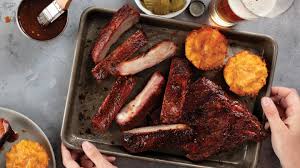
BBQ trailers are crowd magnets at festivals, breweries and outdoor events.
Menu ideas:
Pulled pork sandwiches
Smoked brisket plates with sides
Ribs with coleslaw and cornbread
BBQ nachos or fries topped with meat and sauce
Pros & cons:
Strong “wow” factor and high perceived value
Requires planning and sometimes off-site smoking
Trailer layout must handle large, hot equipment safely
2.6 Loaded Fries, Tots & High-Margin Sides

Industry articles regularly point out that fries and similar fried snacks are cheap to produce and easy to batch, making them extremely profitable.
Menu ideas:
Classic salted fries or seasoned fries
Loaded fries with cheese, bacon, jalapeños, chili or pulled pork
Tater tots with gourmet toppings
Poutine or region-specific fry dishes
You can even build a full concept around fries and sides, using different toppings and sauces as your unique twist.
2.7 Breakfast & Brunch from a Trailer

Breakfast items such as French toast and pancakes are highlighted as high-margin dishes with low ingredient costs.
Menu ideas:
Breakfast burritos with egg, cheese and meat or vegetables
Breakfast sandwiches (egg + cheese + bacon/sausage)
Pancakes, crepes or waffles with sweet and savory toppings
Hash browns and breakfast tots
Breakfast and brunch trailers do especially well near office districts, campuses, commuter hubs and weekend markets.
2.8 Dessert Trailers: Donuts, Waffles, Churros & Ice Cream

Reports on profitable food truck concepts highlight specialized dessert and ice-cream trucks because they have lower operational complexity and excellent impulse-buy potential.
Menu ideas:
Mini donuts with customizable glazes and toppings
Churros with chocolate or caramel sauce
Waffles with ice cream, fruit and sauces
Soft-serve or scoop ice cream, milkshakes and sundaes
Dessert trucks pair perfectly with other savory trailers and often draw strong evening and weekend traffic.
2.9 Drinks, Coffee & Specialty Beverages

Beverages often deliver some of the highest margins in mobile food businesses, from coffee to smoothies and mocktails.
Menu ideas:
Espresso drinks, cold brew and flavored lattes
Fresh lemonade, iced tea and fruit sodas
Smoothies and smoothie bowls
Seasonal drinks: hot chocolate, spiced cider, summer coolers
You can run an entire trailer as a drink concept or use beverages to boost ticket size for a food-focused trailer.
2.10 Healthy Bowls, Salads, Vegan & Gluten-Free Options
Healthy, plant-based and “better-for-you” foods are increasingly visible on food truck and trailer menus. Articles highlight salad bowls, Buddha bowls and vegan dishes as fast-growing categories.
Menu ideas:
Grain bowls with quinoa or rice, roasted vegetables and protein
Salad bowls with creative toppings and dressings
Vegan tacos or burgers using plant-based proteins
Smoothie bowls and acai bowls
Positioning your trailer around health-conscious options can differentiate you in markets saturated with fried foods.
2.11 Local Comfort Foods & Cultural Specialties
Finally, some of the most memorable food trailers build their concept around regional or cultural comfort foods—dishes people already love but rarely see in a mobile format.
Examples:
Regional sandwiches, meat pies or stuffed breads
Traditional rice dishes served as bowls or wraps
Noodle bowls or dumplings adapted for street service
This strategy works best when you can tell a strong story and keep the preparation process efficient inside a small trailer kitchen.
3. How to Choose the Right Food Trailer Menu for You
3.1 Start with Location and Time of Day
Ask yourself:
Where will you park most often—office parks, nightlife districts, tourist areas, festivals, campgrounds?
What time of day will you operate—breakfast, lunch, late night, or mixed?
Examples:
Office lunches → burgers, tacos, bowls, salads and coffee
Nightlife & bars → fried chicken, loaded fries, pizza and sliders
Tourist spots & beaches → seafood, ice cream, cold drinks
Morning commute → breakfast burritos, pastries and espresso drinks
3.2 Study Local Competitors
Look at existing trucks and trailers in your city:
What cuisines are already popular?
Where are the gaps—no breakfast, no dessert, no vegan options?
Can you do a familiar concept (like burgers or tacos) with a unique twist?
Your goal is to avoid direct copycats while still focusing on food with clear demand.
3.3 Match the Menu to Your Equipment & Trailer Size
Different menu categories require different equipment:
Heavy frying → deep fryers, strong ventilation and fire suppression
Pizza → ovens and heat-proof prep areas
Dessert & drinks → more refrigeration and counter space for toppings
List every dish you want to sell, then write down the equipment each item needs. This makes it easier to design a kitchen layout that fits your trailer and budget.
4. Understanding Profit: Can a Food Trailer Really Make Money?
Industry resources suggest that well-run food trucks can reach profit margins in the 30–50% range, depending on menu, location and operating costs.
To get there, you’ll need to:
Control food cost – aim for food cost around 25–30% of selling price.
Price correctly – consider local spending power and your portion size.
Increase ticket size – use combos, add-ons and upgrades.
Maintain speed and consistency – the faster your line moves, the more orders you serve.
High-margin items such as fries, drinks, desserts and breakfast dishes can dramatically improve your overall profitability when used strategically.
5. Sample Food Trailer Menu Combos
Here are three example menu concepts that use the ideas above.
5.1 High-Margin Snack Trailer
Signature loaded fries (3–4 topping combinations)
Chicken tenders with different sauces
Soft drinks and house-made lemonades
Why it works: simple equipment, low ingredient cost, fast service and strong appeal to younger customers.
5.2 All-Day Breakfast & Coffee Trailer
Breakfast burritos and sandwiches
Hash browns or breakfast tots
Specialty coffee drinks, cold brew and juices
Why it works: can operate early and late, draws commuter and weekend crowds, and uses relatively cheap ingredients like eggs and bread.
5.3 Burger & Taco Fusion Trailer
Two or three signature burgers
Two or three tacos using similar proteins and toppings
Sides: fries, onion rings and a house slaw
Drinks: craft sodas or specialty lemonades
Why it works: burgers and tacos are both top-selling street foods, but you can share ingredients and equipment while giving customers meaningful variety.
6. Step-by-Step Checklist for Designing Your Food Trailer Menu
Define your main concept (burgers, tacos, breakfast, dessert, healthy bowls, etc.).
Choose 1–2 hero categories, not five or six—you want focus, not a huge diner-style menu.
List all dishes and required ingredients, then simplify to maximize cross-use.
Calculate approximate food cost for each item and adjust portion size or price.
Design combos and upgrades (add bacon, extra cheese, premium toppings) to boost ticket size.
Confirm equipment and trailer layout can support the menu at peak volume.
Test in soft openings or small events, track best-sellers and remove weak performers.
7. FAQs About Food Trailer Food
1. What is the easiest type of food to sell from a trailer?
Generally, foods that are easy to prep, cook quickly, and are handheld are easiest: burgers, tacos, fries, chicken tenders and simple desserts. They don’t require complicated plating and are perfect for lines and festivals.
2. Which food trailer menu is most profitable?
No single menu is always best, but industry lists point to burgers, tacos, loaded fries, pizza, breakfast dishes, desserts and drinks as consistent profit leaders. Your local competition and pricing will determine which is most profitable in your area.
3. Should I offer a huge menu or keep it small?
For a food trailer, a tight, focused menu almost always wins. A smaller menu means faster service, simpler prep, less waste and more consistent quality. You can rotate specials instead of keeping dozens of dishes permanently.
4. How do I add healthy or vegan options without changing my whole concept?
You can introduce:
A vegan burger or taco
A grain or salad bowl with plant-based protein
Dairy-free drinks and desserts
These options let you serve more customers without redesigning your entire menu.
5. How often should I change my food trailer menu?
Keep your core best-sellers stable, but update side dishes, limited-time flavors and desserts seasonally. This keeps regulars excited while new customers still find the items that built your reputation.
By understanding what makes great food trailer food—fast, portable, profitable and suited to your equipment—you can design a menu that stands out in your market and supports a sustainable mobile food business.
Are You Looking for
Custom Food Trailers?
Free Contact Us Right Now
